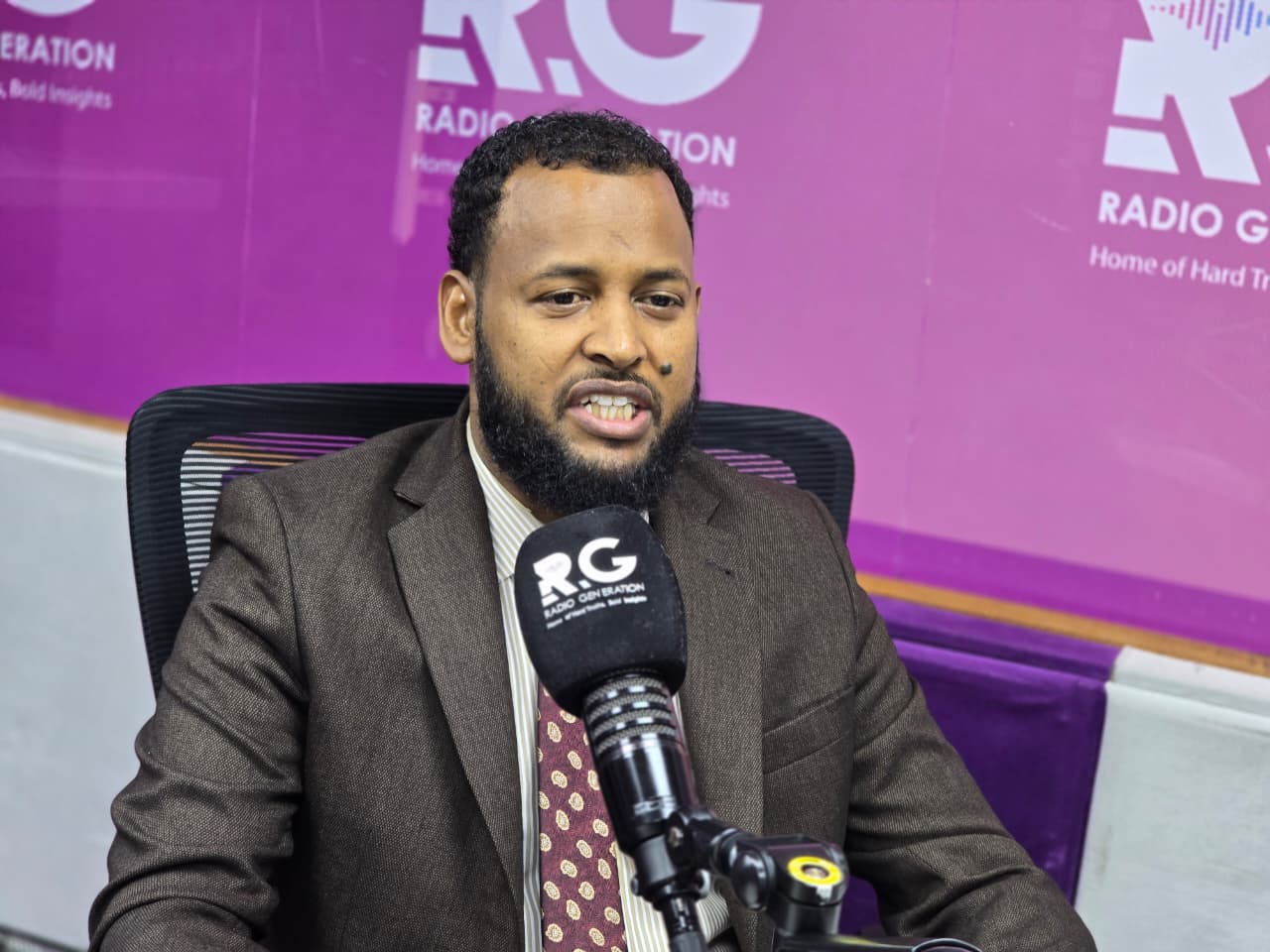
Kenya is facing a growing cancer crisis that experts warn will intensify unless prevention and early detection are made national priorities. Health professionals say rising cases, late diagnoses, and limited access to treatment are placing immense pressure on families and the health system.
Consultant Clinical Oncologist Dr. Omar Abdihamid noted that Africa is on track to record more cancer cases than any other continent by the middle of this century. “This does not mean we are less healthy or less wise,” he said. “It means we are catching up.” He explained that better cancer registries, digital health records, and improved diagnostic capabilities are now uncovering cases that previously went unrecorded.
Dr. Abdihamid described cancer prevention as a “billion-dollar question,” highlighting that it extends far beyond hospitals and doctors. “It’s not only government driven. It’s public. It is individual. It is culture,” he said, pointing to factors such as income, education, and living environment, which all influence health outcomes.
Lifestyle choices remain major contributors to cancer, he said. “Alcohol and cigarettes alone contribute to 50 percent of all cancers,” he said, citing head and neck cancers, lung cancer, and cancers of the throat and voice box. The oncologist emphasized simple, practical steps people can take: “Move your body. Watch your weight. Quit smoking. Reduce alcohol,” while also urging regular screening and awareness of family history. Vaccination and protection against sexually transmitted infections are equally important preventive measures, particularly for cancers linked to viruses.
Kenya now ranks cancer as the third leading cause of death after infectious and cardiovascular diseases. The country sees about 42,000–47,000 new cases annually, with approximately 27,000–32,500 deaths each year. Worryingly, 70 percent of diagnoses occur at advanced stages, and only 23 percent of patients access treatment and care services.
The most common cancers are breast (15 percent), cervical (13 percent), oesophageal (12 percent), prostate (10 percent), and colorectal (7 percent). Breast and cervical cancers dominate among women, while prostate and oesophageal cancers are most common in men. Cancer distribution varies by region, with Nairobi, Nakuru, Kiambu, Machakos, and Nyeri consistently reporting the highest numbers, while central and eastern counties also carry heavy burdens.
To expand access, the government has established three regional comprehensive cancer centres in Nakuru, Mombasa, and Garissa, alongside more than ten county-level chemotherapy facilities. Programs like the Cancer Care Africa Initiative aim to strengthen the entire patient pathway from diagnosis to treatment.
Dr. Abdihamid warned that a cancer diagnosis often leaves families facing severe financial hardship. “It breaks families,” he said, describing catastrophic health spending that pushes households into poverty. He stressed that health insurance can be life-saving financially, citing Garissa Regional Cancer Centre where registration with insurance is now mandatory. “Before that, they didn’t even know the value of it,” he said.
He also proposed innovative financing solutions, including a national health fund supported by taxes on harmful products. “Tobacco, alcohol, vape,” he said, arguing that these substances damage both individuals and the economy. Drawing on international models, he noted that governments can tax such products and reinvest the revenue into health systems, funding cancer care, diagnostics, and treatment.
Emerging medical strategies could also lower costs. “Chemotherapy drugs used for different diseases at higher doses can be repurposed for cancer at lower doses,” he said, noting that this approach improves tolerance while reducing expenses.
Dr. Abdihamid emphasized the importance of clinical skills in early detection, particularly at lower-level facilities. “Clinical history and physical examination trump everything,” he said, explaining that careful examination can provide critical diagnostic clues even before scans and biopsies confirm disease.
He concluded with a warning and a call to action: “Cancer is here to stay. We better be prepared.” He urged that prevention, early detection, public education, and sustainable financing become central to Kenya’s cancer response, alongside continued investment in treatment, warning that failure to do so will increase the burden on families, communities, and the health system.































Comments
Sign in with Google to comment, reply, and like comments.
Continue with Google